
Key Features of Humanitarian Aid Shelters
- tony miller
- Oct 3, 2025
- 4 min read

Humanitarian aid shelters play a crucial role in providing safety and comfort to people affected by natural disasters, conflicts, or other emergencies. These shelters are designed to meet immediate needs while also considering long-term usability and resilience. Understanding the key features of these shelters helps organizations and communities prepare better and respond more effectively during crises.
Essential Characteristics of Humanitarian Aid Shelters
Humanitarian aid shelters must be durable, adaptable, and easy to deploy. They serve as temporary homes for displaced individuals and families, offering protection from harsh weather conditions and unsafe environments. Here are some essential characteristics that define effective humanitarian shelters:
Portability: Shelters should be lightweight and easy to transport to remote or inaccessible areas.
Quick Assembly: Time is critical during emergencies. Shelters must be simple to set up, often by the affected people themselves or with minimal assistance.
Weather Resistance: Protection from rain, wind, heat, and cold is vital. Materials used should withstand various climates.
Ventilation and Insulation: Proper airflow and temperature control improve comfort and reduce health risks.
Privacy and Security: Shelters should provide a sense of personal space and safety, especially for vulnerable groups.
Sustainability: Using eco-friendly materials and designs that minimize environmental impact is increasingly important.
For example, many shelters use modular designs that can be expanded or reconfigured as needed. This flexibility allows shelters to adapt to different family sizes or community needs.
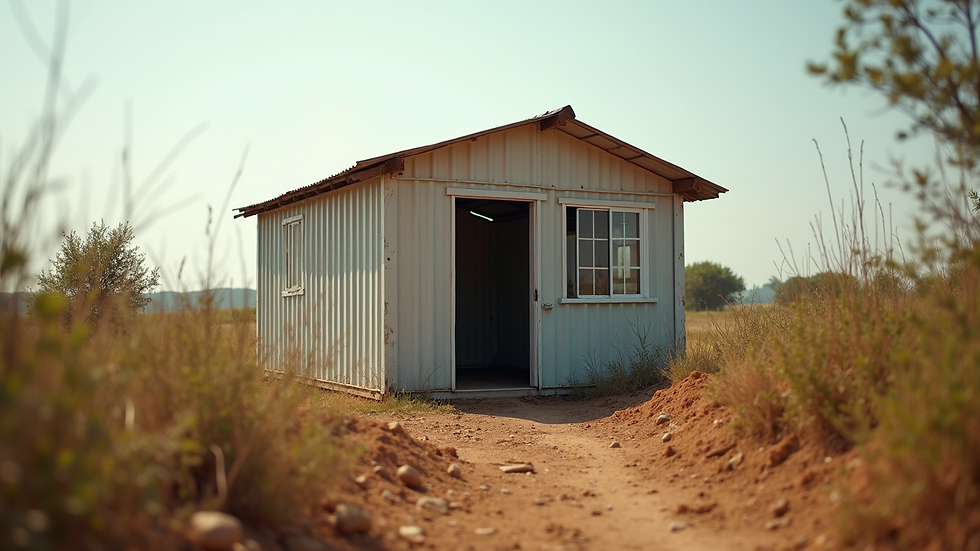
How Humanitarian Aid Shelters Support Disaster Relief
Humanitarian aid shelters are a cornerstone of disaster relief efforts. They provide immediate refuge and help stabilize communities after a crisis. The shelters also serve as a base for distributing food, water, and medical supplies. Here’s how they support disaster relief:
Rapid Deployment: Shelters can be delivered and assembled quickly, reducing the time people spend exposed to danger.
Improved Health Outcomes: By offering protection from the elements and overcrowding, shelters help prevent disease outbreaks.
Psychological Comfort: Having a safe space helps reduce trauma and stress for displaced individuals.
Community Cohesion: Shelters arranged in clusters encourage social interaction and mutual support.
Organizations often combine shelters with other disaster relief solutions such as water purification systems and sanitation facilities to create comprehensive support hubs.

What are disaster relief efforts?
Disaster relief efforts encompass a wide range of activities aimed at assisting communities affected by emergencies. These efforts include search and rescue, medical aid, food distribution, and shelter provision. The goal is to save lives, reduce suffering, and restore normalcy as quickly as possible.
Shelters are a fundamental part of these efforts because they provide the physical space needed for people to recover and rebuild. Disaster relief teams often prioritize shelter distribution alongside clean water and food to address the most urgent needs.
Key components of disaster relief efforts include:
Assessment: Evaluating the extent of damage and identifying the most vulnerable populations.
Coordination: Collaborating with local authorities, NGOs, and international agencies to optimize resource use.
Logistics: Managing the transportation and storage of relief materials.
Implementation: Setting up shelters, medical camps, and distribution points.
Monitoring and Evaluation: Ensuring aid reaches those in need and adjusting strategies as necessary.
Understanding these components helps improve the effectiveness of humanitarian aid shelters within the broader disaster response framework.
Materials and Design Innovations in Humanitarian Shelters
The choice of materials and design significantly impacts the functionality and sustainability of humanitarian shelters. Innovations in this area have led to more resilient and user-friendly solutions.
Common Materials
Treated Fabrics: Waterproof and UV-resistant fabrics are widely used for tent-like shelters.
Lightweight Metals: Aluminum frames provide strength without excessive weight.
Plastic Sheeting: Durable and inexpensive, often used for temporary roofing or walls.
Butyl Rubber Products: These offer excellent waterproofing and durability, making them ideal for shelter linings and covers.
Design Innovations
Modular Systems: Components can be added or removed to adjust shelter size.
Insulated Panels: Improve thermal comfort in extreme climates.
Solar-Powered Features: Some shelters include solar panels for lighting and charging devices.
Multi-Purpose Use: Shelters designed to serve as classrooms, clinics, or community centers after initial use.
These innovations not only improve living conditions but also reduce the environmental footprint of emergency housing.

Practical Recommendations for Shelter Deployment
Deploying humanitarian aid shelters effectively requires careful planning and community involvement. Here are some practical recommendations:
Engage Local Communities: Involve affected people in shelter selection and setup to ensure cultural appropriateness and acceptance.
Site Selection: Choose locations safe from flooding, landslides, or other hazards, with access to water and sanitation.
Training: Provide clear instructions and training for shelter assembly and maintenance.
Maintenance Plans: Establish routines for shelter upkeep to extend usability.
Integration with Other Services: Coordinate shelter deployment with food, water, and health services for holistic support.
By following these guidelines, aid organizations can maximize the impact of their shelter programs and improve the quality of life for displaced populations.
Looking Ahead: The Future of Humanitarian Aid Shelters
The future of humanitarian aid shelters lies in innovation, sustainability, and community empowerment. Advances in materials science, renewable energy, and digital technology will continue to transform shelter design and deployment.
Key trends to watch include:
Eco-Friendly Materials: Biodegradable and recyclable materials to reduce waste.
Smart Shelters: Equipped with sensors to monitor environmental conditions and occupant health.
Local Manufacturing: Using 3D printing and local resources to produce shelters quickly and affordably.
Enhanced Collaboration: Greater coordination between governments, NGOs, and private sector partners.
These developments promise to make humanitarian aid shelters more effective and responsive to the evolving challenges of disaster relief.
By understanding and applying the key features of humanitarian aid shelters, stakeholders can better support vulnerable populations and contribute to more resilient communities worldwide.
Comments